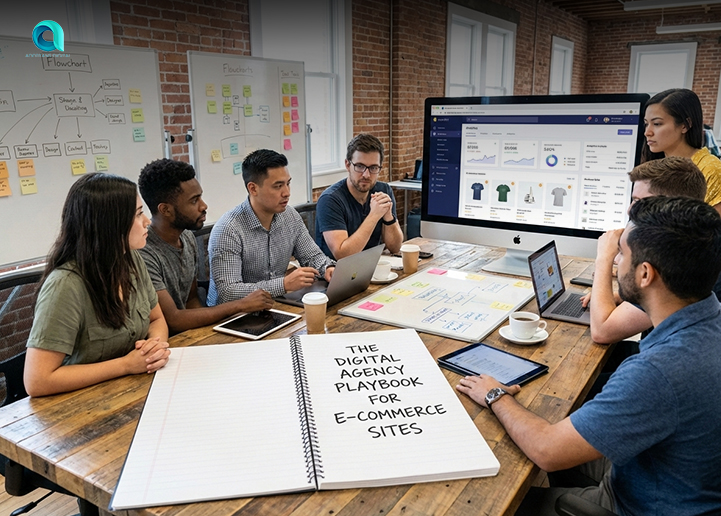
Traffic Tsunami: The Digital Agency Playbook for E-Commerce Sites
Look, in today's crazy competitive e-commerce world, traffic isn't just some numbers sitting on your analytics dashboard; it's literally what keeps your business breathing. We're talking about real people with real problems, scrolling through their phones at midnight, searching for that one thing that'll make their life easier, and deciding whether your site is worth their time and money.
Here's the thing, though: not all traffic is built the same. I've seen brands absolutely drowning in visitors who ghost them without buying a single thing. They bounce faster than you can say "conversion rate." Meanwhile, other brands? They're quietly crushing it with a steady stream of people who actually want what they're selling, folks who stick around, add to cart, and hit that checkout button.
We call this the Traffic Tsunami in agency land, and no, it's not some fluffy marketing term. It's a genuinely powerful, super intentional wave of the right kind of traffic that drives real visibility, actual conversions, and growth that doesn't fizzle out next quarter.
This Blog? It's going to walk you through exactly how agencies build that tsunami for e-commerce brands, step by step.
And before you ask, nope, this isn't about growth hacks or going viral overnight. Been there, tried that, watched it crash and burn. This is about building systems that actually work, strategies that make sense, and scaling in a way that won't give you an ulcer.
Before we get into the nitty-gritty of channels and tactics, let's talk mindset for a second. Because honestly? How you think about traffic completely changes what you end up with.
Here's what a real Traffic Tsunami looks like:
It's multi-channel, not stuck on one platform. Betting everything on Instagram or Google? That's a recipe for disaster. When that algorithm changes (and trust me, it will), you need backup plans that already have momentum.
It's audience-first, not algorithm-first. Yeah, algorithms matter. But here's what matters more: actual human beings. When you genuinely solve problems for people, the algorithms usually reward you anyway. It's almost like they're designed that way or something.
It's conversion-aware, not just traffic-obsessed. Getting a million visitors means absolutely nothing if they all leave without buying. Every single strategy needs to tie back to real business results, not vanity metrics that just make your boss feel good in meetings.
It's sustainable, not campaign-only. Quick wins? Sure, they're fun. But what you really want is traffic that keeps flowing whether you're actively working on it or sleeping at 3 AM.
The best agencies don't chase traffic like it's going out of style. They engineer entire journeys, from "who the heck is this brand?" all the way to "take my money." Every touchpoint matters, every channel has a job, and every piece of content nudges people closer to buying.
Here's a harsh truth: sending traffic to a broken website is like filling up a bucket with holes in it. You can keep pouring and pouring, but you're just wasting water (and money, lots of money).
Before any decent agency scales your traffic, they're checking these things:
Your site needs to load fast, like, actually fast. Mobile needs to work perfectly because most of your traffic is coming from phones anyway. Navigation should be so obvious that your grandma could figure it out. Product categories need to make sense, not require a degree in archaeology to understand.
Here's the kicker: even a 1-second delay tanks your conversions. People are impatient. If your site takes forever to load, they're already on your competitor's site before you can say "please wait."
You need CTAs that are crystal clear. Trust signals everywhere, reviews, ratings, and return policies that don't read like legal nightmares. Product pages that actually answer questions instead of leaving people guessing. And checkout? It better be smooth as butter.
Driving traffic to a site that's not ready to convert is literally just burning money. And nobody likes that smell.
SEO is like that friend who doesn't say much but always comes through. It's the backbone of long-term e-commerce traffic, and smart agencies treat it like an investment property, not a weekend project.
Not all keywords are created equal, shocker, I know. You've got informational keywords for people just browsing and learning. Commercial keywords for folks comparing options. And transactional keywords for people who are ready to whip out their credit cards right now.
Each type needs to land on the right page. Informational stuff goes to blogs. Commercial intent hits your category pages. Transactional searches? Straight to product pages. It's about meeting people exactly where they are.
The best e-commerce blogs don't feel like sales pitches. They answer real questions that keep people up at night. They compare products honestly, yes, even mentioning when competitors might be better for certain uses. They educate first, sell second.
This approach builds trust like nothing else. When people know you'll give them straight answers, they keep coming back. And eventually? They buy from you because you've already proven you're not full of it.
Clean URLs that make sense. Schema markup so Google can show your stuff in fancy rich results. Optimized images that don't slow everything down. Internal linking that actually helps people (and search engines) find stuff.
SEO takes forever, we’re not going to lie. But when it finally clicks? Traffic starts compounding month after month. The work you do today keeps paying off years down the line.
Paid ads are where you get to control the flood, but only if you know what you're doing. Random blasting doesn't cut it anymore.
Google Search Ads catch people when they're actively hunting for solutions. Shopping Ads show your products with prices right there in search results. Meta Ads on Instagram and Facebook create demand for stuff people didn't even know they needed. YouTube Ads tell your brand story in ways that stick.
Each platform plays a different position on the team. You don't ask everyone to be the quarterback.
Here's what's changed: creative matters way more than targeting now. Privacy updates killed a lot of precise targeting, so your ads need to do the heavy lifting.
You need visuals that make thumbs stop mid-scroll. Hooks that feel real and relatable. Value props that are immediately obvious. And honestly? Ads that look like they were made by regular people crush those super-polished commercial vibes.
Stop showing the same ad 47 times. Please. Instead, segment by behavior. Show different messages to browsers versus people who abandoned their carts. Use dynamic ads that remember what they looked at. Add social proof that feels genuine, not desperate.
The goal is gentle reminders, not stalking.
Social media isn't just for collecting likes that don't pay your bills. It's a legit traffic engine if you use it right.
Instagram and TikTok are discovery engines. People find stuff they didn't know existed. Pinterest is basically visual Google that keeps working for years. LinkedIn works if you're selling to businesses or premium products that need context.
Each platform has its own vibe, and trying to copy-paste the same content everywhere is a rookie move.
Your social content needs to solve actual problems. Show real people using your stuff in real situations (not those fake staged photoshoots). Tell quick stories that hit emotionally. Create curiosity that can only be satisfied by clicking through.
"Link in bio" only works when people actually want to click. Otherwise, it's just words.
Influencer marketing isn't about finding someone with a million followers anymore. It's about relevance and actual connection.
Nano and micro influencers have small but super-engaged audiences. They drive trust and sales. Mid-tier creators get you discovered while keeping credibility. Big creators build awareness fast.
The campaigns that crush it? They feel native, like the creator actually wanted to share this. They're not reading scripts like robots. They show the good and the bad because that's what real people do.
When creators genuinely love your product, their audience can tell. And that traffic converts like crazy.
Content is what keeps traffic flowing even when you're not actively running ads. It's the difference between renting attention and owning it.
Smart agencies take one good idea and squeeze everything out of it. Turn it into a blog for SEO. Cut it into Reels and Shorts for discovery. Make a YouTube video for deeper education.
One idea becomes multiple traffic sources working 24/7.
Don't just write about your products. Create buying guides that help people understand entire categories. Build comparison pages that actually help people decide. Write trend articles that position you as the expert.
This catches people way earlier in their journey, before they even know what they want to buy.
These are criminally underrated. You own these lists. No algorithm is going to randomly decide you don't exist anymore.
Use email for launches that create buzz. Abandoned cart sequences that bring people back. Educational content that builds trust over time. Loyalty programs that make people feel special.
Each email is another chance to bring people back to your site.
In places like India, WhatsApp is absolutely killing it. Open rates that make email jealous. Quick conversions through actual conversations. Personal engagement that feels VIP.
It's traffic that actually wants to hear from you.
Getting traffic without optimizing for conversions is like inviting people to a party at a house with no furniture. Awkward.
Keep testing headlines, product images, where you put your buttons, how you show pricing. Small tweaks often create massive results.
A 20% conversion boost is the same as 20% more traffic, but usually way cheaper to get.
You can't wing this stuff. Traffic tsunamis are built on data, not vibes.
Which channels send quality traffic versus tire-kickers. Conversion rates by source. What it actually costs to acquire customers. How many people buy again. Lifetime value, so you know how much you can spend to acquire someone.
Data tells you where to double down and where to cut your losses.
Even big brands mess this up:
Putting all eggs in one traffic basket. Obsessing over impressions without tracking sales. Forgetting mobile exists. Scaling ads when the website is broken. Posting content with no actual strategy.
Good agencies prevent these mistakes before they happen.
The next wave is coming fast. AI personalization that actually works. Voice and visual search changing how people shop. Community-driven commerce. Creator ecosystems blurring the line between content and shopping.
Early adopters get the cheap traffic before everyone else figures it out.
Traffic tsunamis don't happen overnight. They're built with clear strategy, consistent execution, smart experiments, and relentless optimization.
For e-commerce brands, traffic isn't optional. It's survival. Without it, you're invisible. With the wrong kind, you're broke. But with the right traffic, built the right way? You go from struggling to dominating.
With a solid playbook, traffic stops being this unpredictable thing that keeps you up at night. It becomes a machine you can control, scale, and count on for real, long-term success.
The tsunami isn't something to fear; it's something you learn to ride.
Addtitans Digital is Affordable digital marketing agency in India and one of the most trusted and established name in Digital Marketing World. We offer Digital Marketing Services from Media and Creative to Search, Analytics, Mobile, Social, ORM, Affiliate marketing.
204, U.S.Complex, 120, Mathura Road, Jasola, New Delhi - 110076, India
Dubai Address
24670-001, Dubai Silicon Oasis, DDP, Building - A2, Dubai, U.A.E


© 2022 Addtitans | All Rights Reserved
 +91-1147567169